For those who dream of a lush home filled with thriving plants but fear they lack the time to care for them, there's good news: you can still cultivate a green oasis with the right choice of low-maintenance plants. Whether you're a frequent traveler or simply have a busy schedule that keeps you away from home, selecting plants that can endure periods without regular attention is key to achieving your botanical aspirations. Cacti and Succulents: Hardy Beauties If you're new to plant parenthood or seek a resilient option, cacti and succulents are an excellent starting point. These plants are celebrated for their ability to store water in their tissues, enabling them to survive extended periods without watering—up to two weeks or more. Their adaptability extends to various light conditions, making them versatile for both indoor and outdoor settings. With a range of shapes, sizes, and vibrant colors to choose from, they not only add visual appeal but also demand minimal maint...
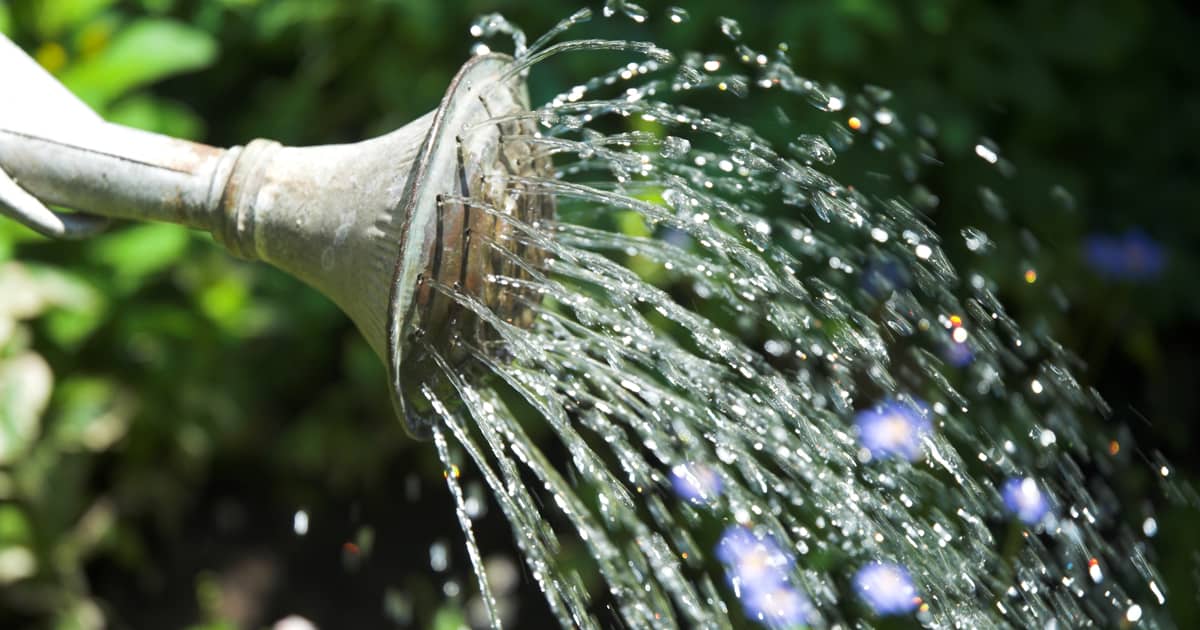
As plant enthusiasts, one of the most critical yet mystifying aspects of nurturing our green companions is mastering the art of watering. Understanding when and how to water your plants can mean the difference between vibrant, thriving foliage and wilted, struggling stems. To shed light on this essential gardening practice, we consulted Justin Hancock, a horticulturist at Costa Farms, renowned for his expertise in plant care. Here’s what he shared about the best practices for watering plants:
Ideal Timing: Morning Wins
According to Hancock, the optimal time to water plants is in the morning. This timing not only aligns with the natural rhythm of plant growth but also minimizes the risk of fungal diseases. Here’s why: watering in the morning allows excess moisture on leaves and in the soil to evaporate gradually throughout the day, reducing the chances of fungal growth that thrive in damp conditions, especially during cool, humid nights.
Hancock explains, “Watering plants in the evening or at night can create an environment conducive to fungal diseases, particularly outdoors where temperatures drop and humidity rises.” By contrast, morning watering ensures that plants receive the moisture they need without compromising their health.
Efficiency in Outdoor Watering
For outdoor plants, Hancock emphasizes the efficiency of morning watering. It not only reduces the likelihood of diseases but also minimizes water loss due to evaporation in the heat of the day. Using a sprinkler system in the morning ensures that plants receive adequate hydration before the sun’s intensity peaks.
Flexibility for Indoor Plants
When it comes to indoor plants, the timing of watering is less critical. Hancock reassures that watering at a convenient time during the day is perfectly acceptable for indoor environments where humidity and temperature are more controlled. The key for indoor plants, as with all plants, is to avoid overwatering, which can lead to root rot, or underwatering, which can stress the plant.
Considerations for Evening Watering
If watering in the evening is your only option, Hancock suggests taking extra precautions to water at the soil level rather than overhead to minimize moisture on foliage. This approach can help mitigate the risk of fungal infections, especially in outdoor settings where humidity levels rise overnight.
Practical Tips for All Gardeners
Regardless of the time of day, Hancock underscores the importance of consistency and moderation in watering. Monitoring the soil moisture and adjusting watering frequency based on individual plant needs and environmental conditions is key to maintaining plant health and vitality.
In conclusion, while morning watering offers distinct advantages in disease prevention and water conservation, the overarching principle remains to prioritize the needs of your plants. By understanding these principles and adapting them to your gardening routine, you can ensure that your plant babies flourish and thrive throughout the growing season. So, whether you're a seasoned gardener or just starting out, mastering the art of watering will undoubtedly elevate your gardening prowess and deepen your connection with the natural world.
- Get link
- X
- Other Apps
- Get link
- X
- Other Apps
Comments
Post a Comment